Saudi Ministry of Defense
Implemented the scope of 72 weeks in 2 weeks
Overview
The Department of Quality at the Saudi Ministry of Defense sets the standard for quality across the Saudi Army. Every inspection, audit, and compliance record that kept the Ministry ISO 9001 certified moved through paper, by hand, across 12 divisions. They needed a digital system that could carry that entire operation without asking a single officer or soldier to learn how to use it.
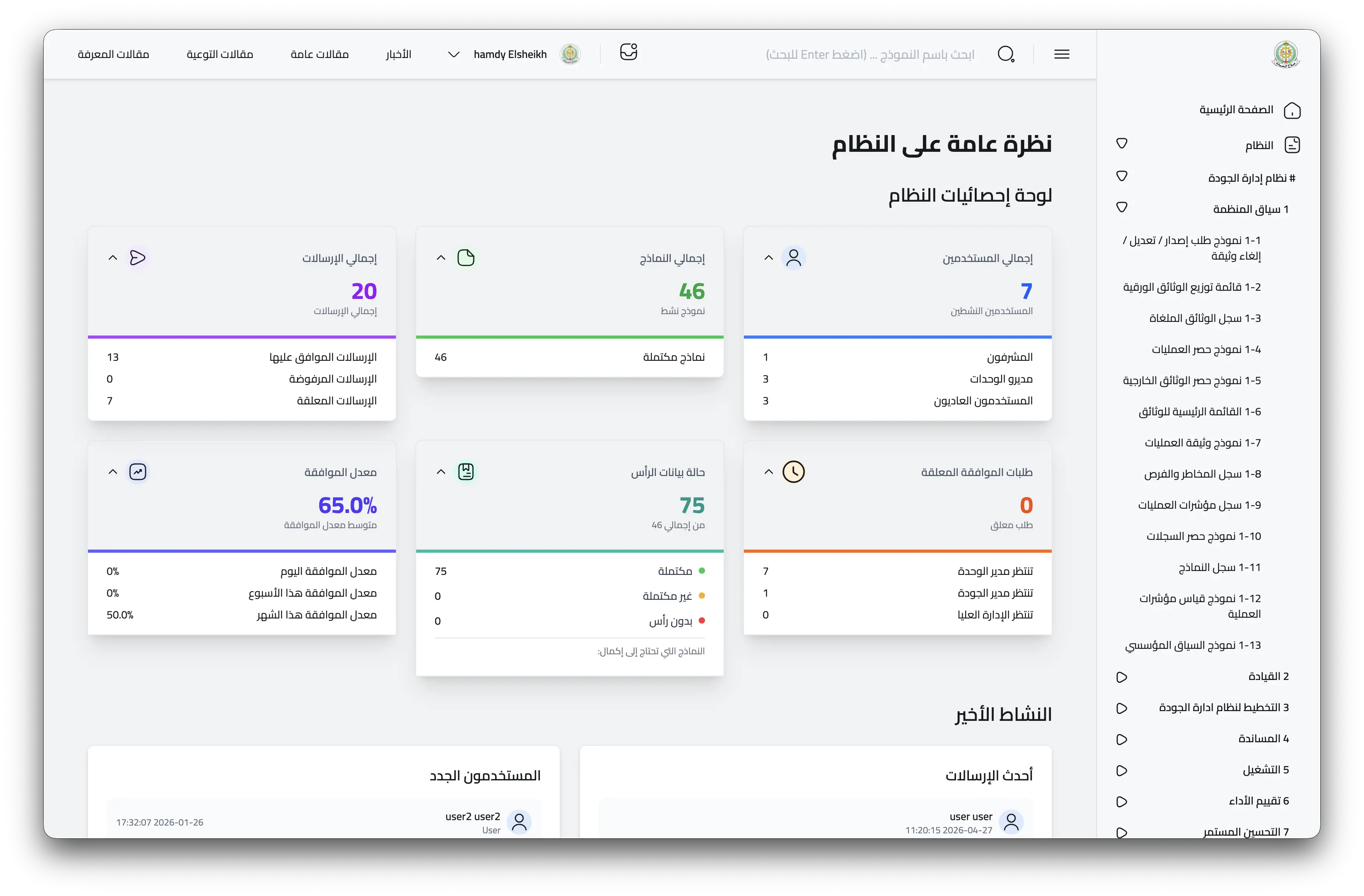
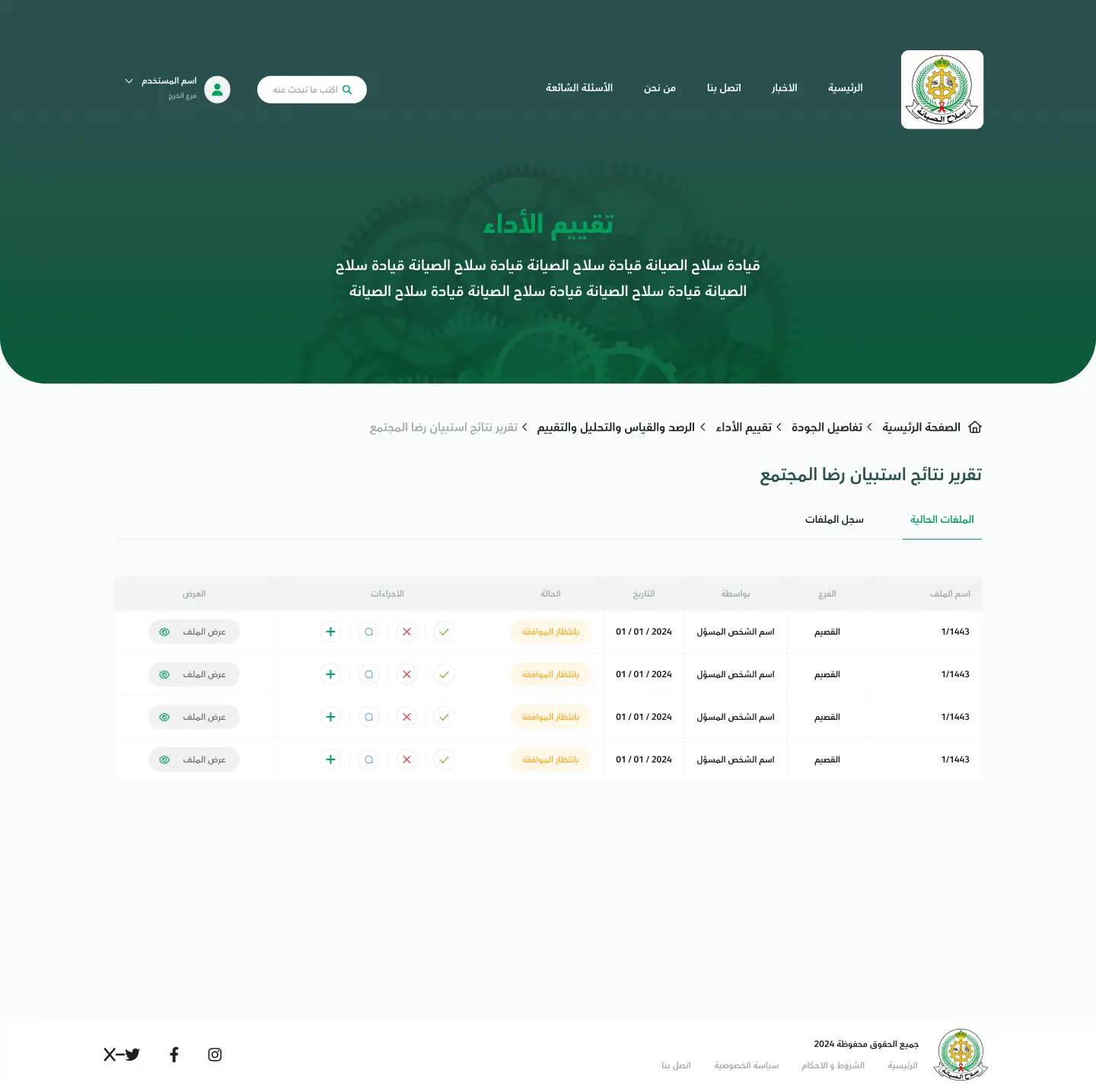
We built the system that replaced it. An application that installs on the Ministry's own network in one click, turns thousands of paper forms into a single connected engine, and generates a complete ISO audit package on demand. A custom form engine, full role-based access, and complete audit logging were built around how the Ministry already works.
We delivered what was scoped as an 72 weeks project in 2 weeks. ISO management time dropped by more than 90%. Every division now runs the same standardized, fully traceable process, with almost none of the paperwork that used to slow it down.
Before
The Department of Quality keeps quality standards consistent across 430,000 military personnel. Every inspection, audit, training record, and non-conformance report existed as its own paper form, each with its own fields, its own approval chain, its own routing between officers. Compiling a single ISO report meant pulling documents from a dozen different units by hand, a process that took weeks and left plenty of room for something to slip through.
The Call
The Ministry had already hired a local software house, Kayan Technologies, to build the replacement. Kayan had 18 months on the contract and 1 month left when it became clear the project wasn't going to make it: about 40% complete, full of bugs, and built as a separate standalone flow for every single form, with relationships and approval logic hand-coded form by form. 2 million lines of code later, all of it visibly AI-generated, the system had grown too complex to finish, let alone maintain.
Word reached us through Islam Gad, VP at Future Experts Group, who'd met our team at TechneSummit and heard we handled technical crises. He connected us with Kayan's Ahmed Abou Amer, and after Islam shared some of our previous engineering work, the Ministry brought us in and said "We were drowning, and this felt like the rescue ring.".
How We Got There
We started by understanding what the Department actually needed: a system officers and soldiers could use without training, that could handle relationships between thousands of forms, and that respected a military approval chain that wasn't going to bend to suit our software. This wasn't thousands of unique problems needing thousands of unique solutions. It was one problem.
That's the rule at the center of how we build, something we call LeanArchitecture™: build general, reusable solutions instead of edge-case-specific ones, and own as little code as possible, weighed against the ecosystem, how often the code changes, and how realistically that code will get maintained. Where Kayan had written a separate flow for every form, we wrote one engine that handles all of them. What took 2 million lines of hand-coded logic and rebuilt it in ~500 lines of Python.
What We Built
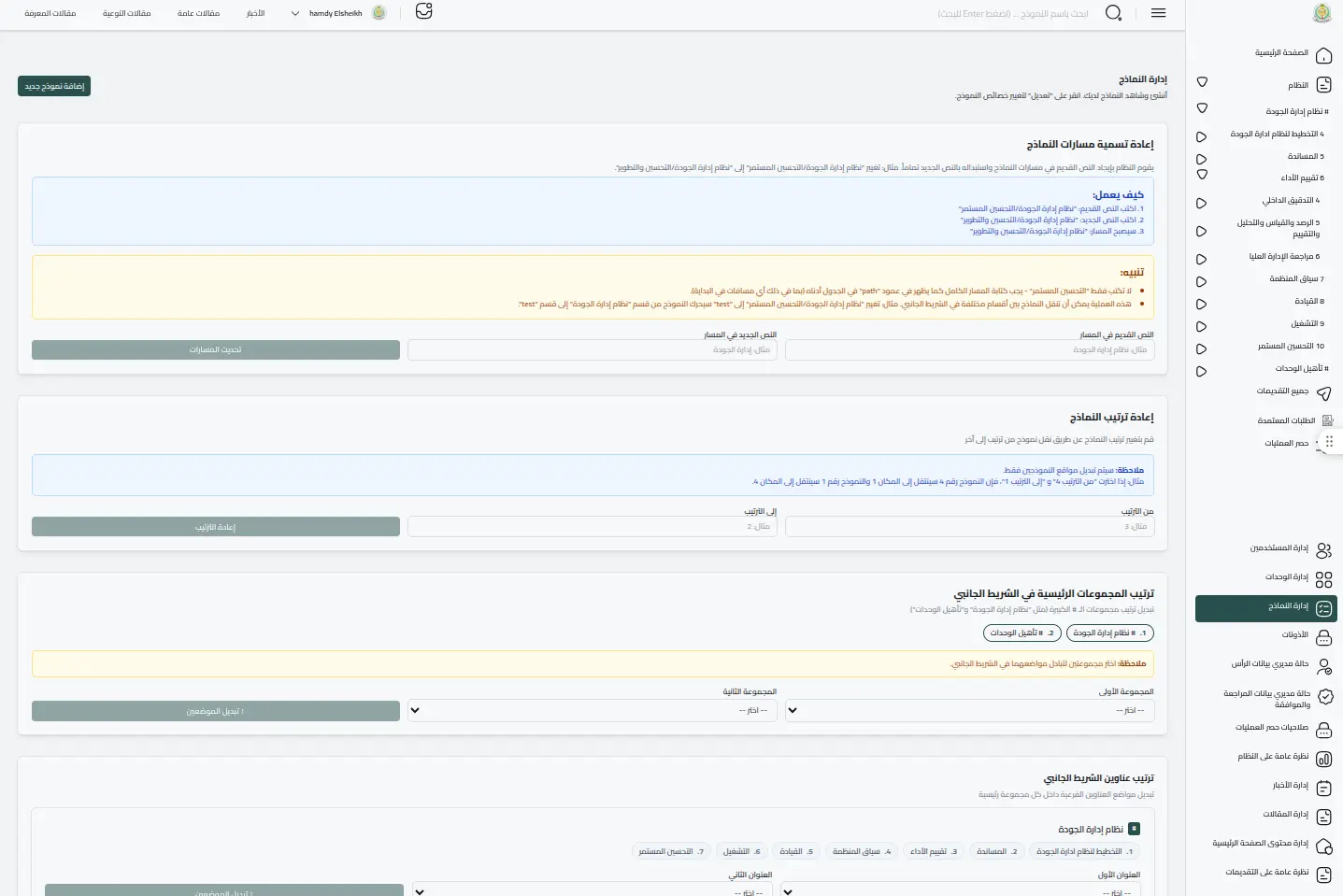
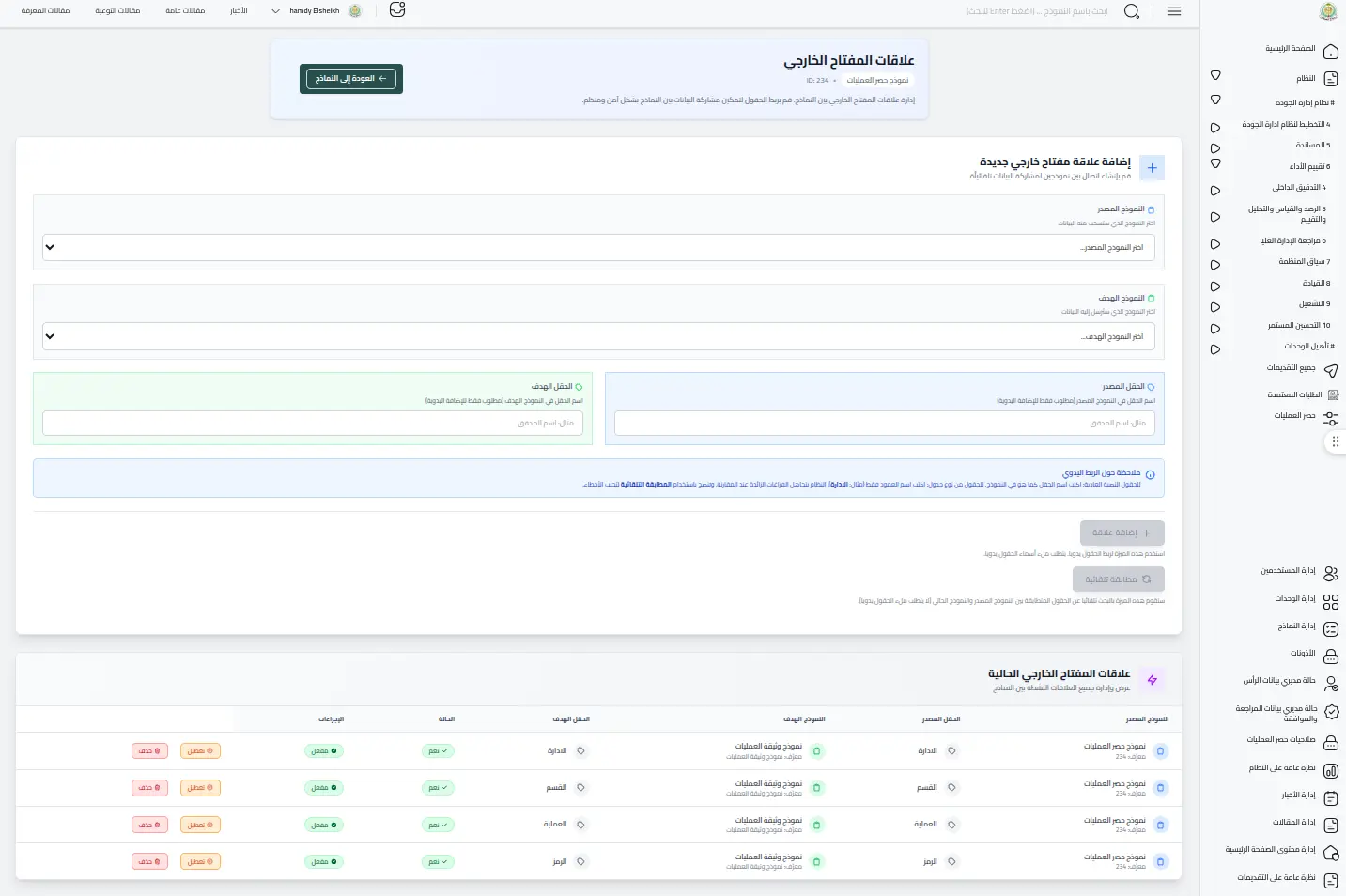
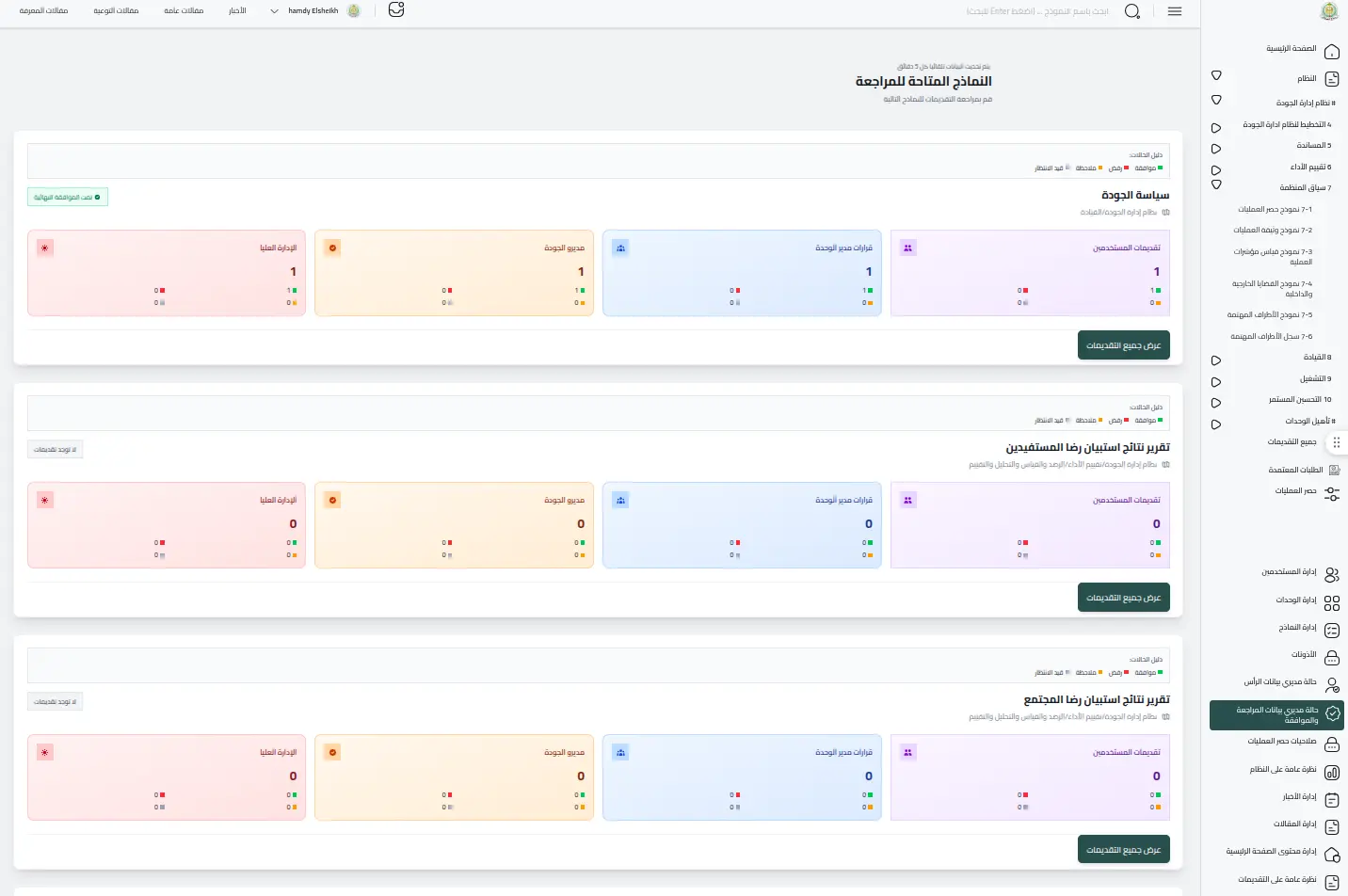
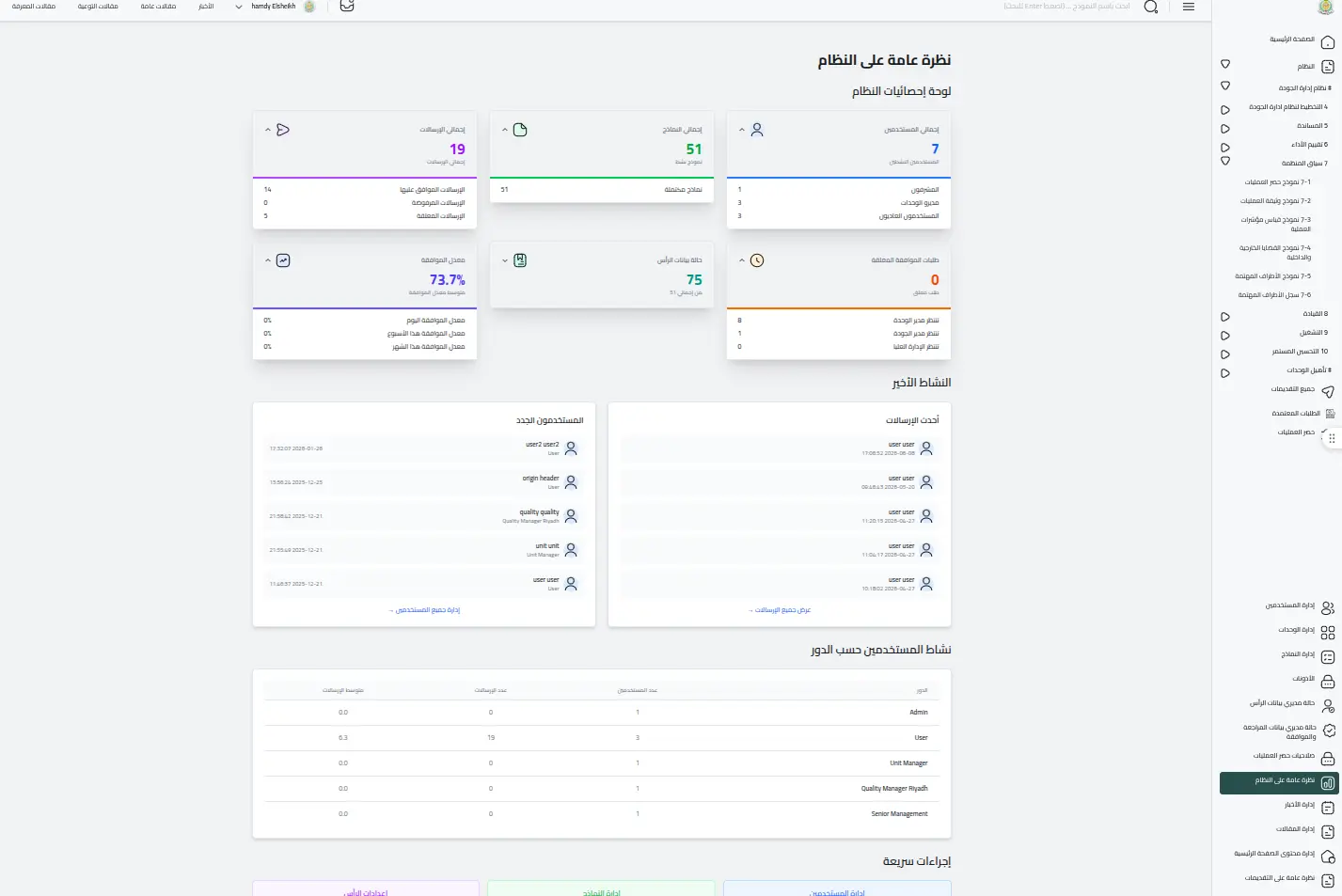
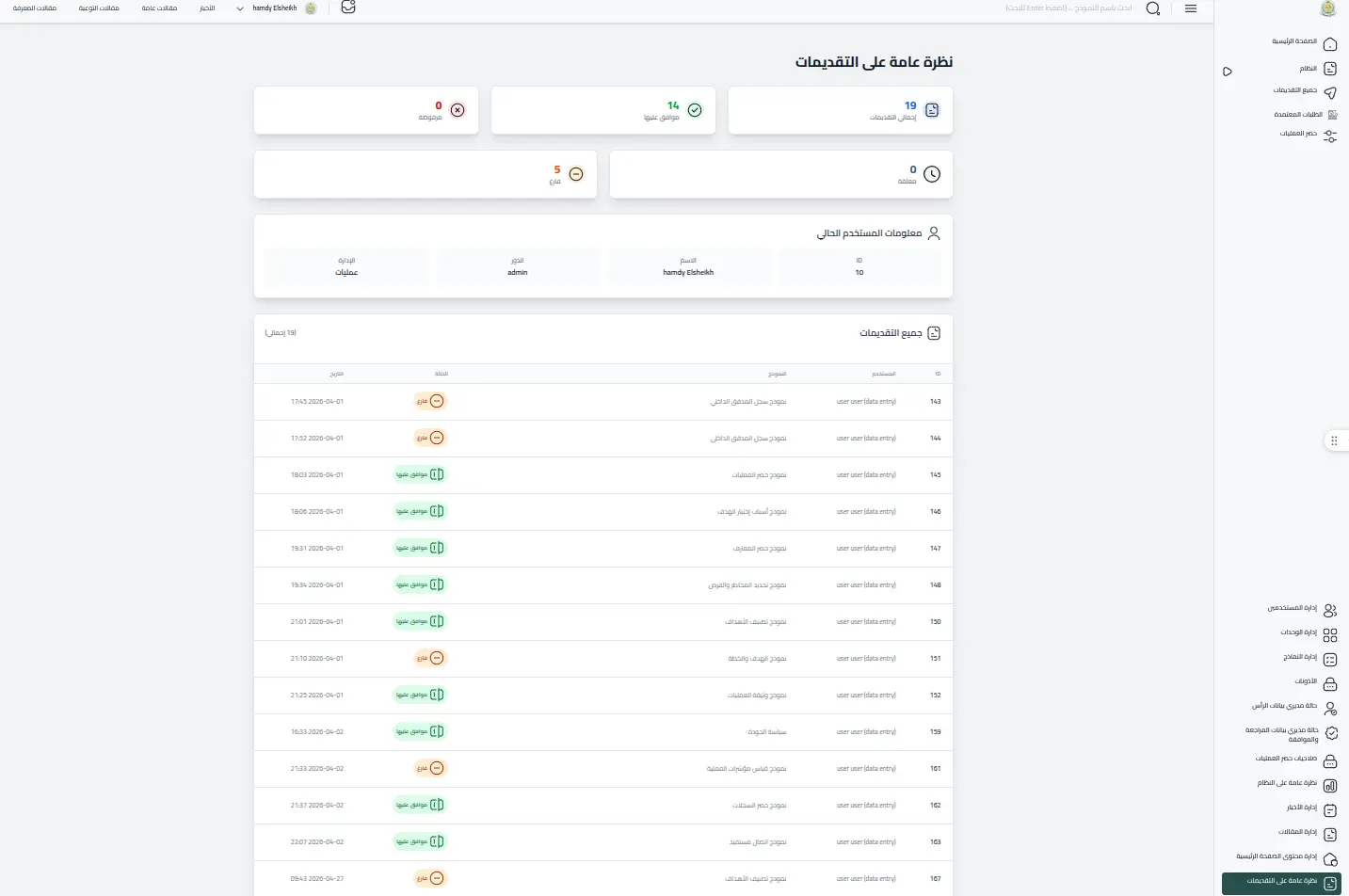
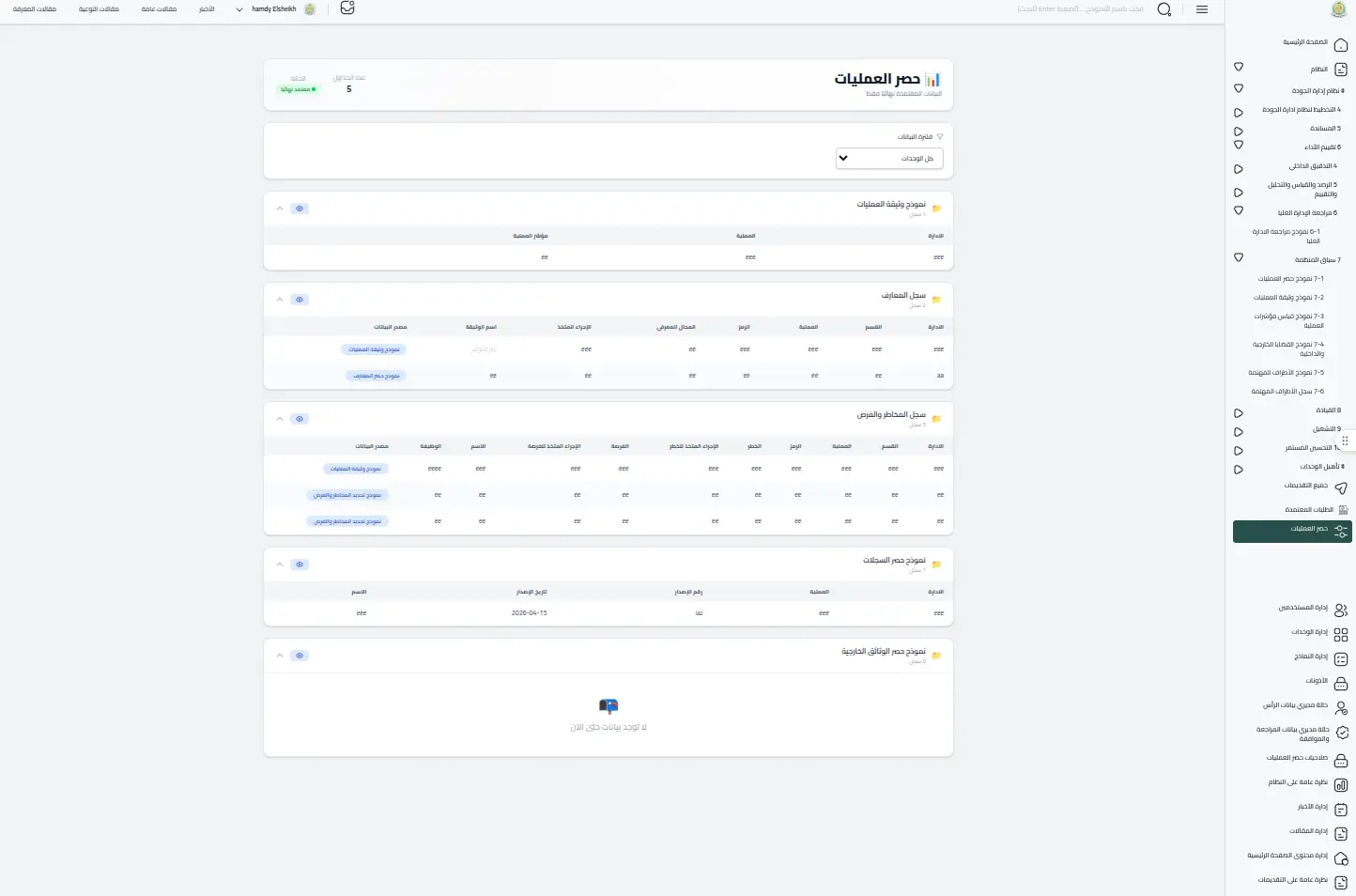
We built web app with a form engine at it's core. It takes any form, in Arabic, right-to-left, and turns it into a structured object that can be related to any other form in the system, tracked through an approval cycle that runs by form or by individual field, and routed to the right approver at every level of the chain of command. It handles thousands of forms and thousands of relationships between them today, with four dynamic approval levels that mirror how the Ministry operates. Every submission, approval, and edit is logged, timestamped, and traceable back to the person who made it. The entire system deploys on the Ministry's own network, on-premises, one click, no external dependencies.
The Impact
The Department can now generate a full ISO compliance report in about a second. That used to take 3 weeks. All 12 divisions now run the same standardized, auditable process instead of 12 slightly different paper trails, and ISO recertification stopped being a scramble. The Ministry said they were drowning, we threw the rescue ring, and they've told us we gave them hope, they can dream again, they'd work with us again.
Want to hear our thoughts on accelerating engineering performance via AI? Watch to learn more.